
Moss Removal Albany Oregon: Roofs, Steps, Walks and Patios
Moss removal Albany Oregon is the work of hand tools first, then a low rinse on shingle roofs. Pressure washers never touch the shingles. Steps, walks and patios get the same patient hand work before any rinse. Every job carries a free written quote first. Every job also falls inside GreenTree’s $299 to $1,000+ range.
Written from OSU Extension, ARMA, NOAA, the City of Albany and Oregon DEQ pages.
On this page
- Cost, method and regrowth
- Why Albany grows moss
- What a visit includes
- How roofs are cleared
- Historic houses and moss
- What the job costs
- Insurance, rating, pressure
- When to book in Albany
- How a visit runs
- Fit and limits
- What the free quote checks
- Moss debris and rinse water
- Albany routes
- Questions answered
Moss removal in Albany, Oregon: cost, method and regrowth
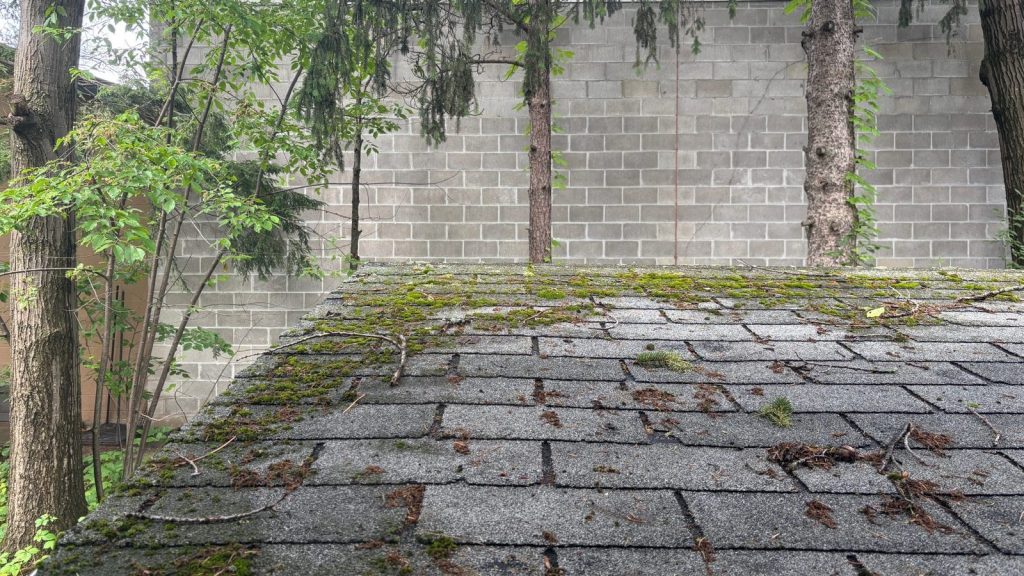
Cost, method and regrowth come up first. The details follow in the sections below, surface by surface.
How much does moss removal cost in Albany, Oregon?
Moss removal in Albany falls inside GreenTree’s $299 to $1,000+ range, set as one free written quote before any work starts. Moss on concrete walks and driveways runs $299 to $500. Roofs climb by pitch and plane count. A bundle of three or more services saves 10% to 25%, and the quote stays free either way.
How does GreenTree remove moss in Albany?
Moss comes off in mats by hand before a rinse under 500 PSI clears the rest from the shingles. That rinse follows the slope, so no pressure washer touches the shingles. Steps, walks and patios get hand lifting before any water pressure. Loose moss drops into bags instead of the street or a garden bed, which keeps the storm drains clear.
Will moss grow back after removal in Albany?
Moss can return wherever shade and damp stay, because cleaning does not change the shade. OSU Extension says the most effective long-term fix is trimming nearby trees so more sunlight reaches the roof. An arborist handles that trimming. The honest plan is to clean the surfaces now, then watch the shaded planes and steps through the next wet season.
Why does Albany grow so much moss?
Albany combines river-bottom dampness, winter rain and deep shade, the three things moss wants most. The city sits where two rivers meet on a broad, level valley floor. Damp lingers at the base of walls and steps. Winter brings the heaviest rain, while summer runs nearly dry. Trees and north-facing slopes keep many surfaces wet long after the rain stops.
Two rivers on a flat valley floor
The Oregon Encyclopedia places Albany at the confluence of the Calapooia and Willamette rivers. That spot sits inside one of the broadest and most level stretches of the Willamette Valley. Flat, wet ground drains slowly. Water pools against foundations, fence posts and the bottom steps of a porch. Moss settles wherever that damp refuses to leave. The same low ground feeds the groundwater that keeps lawns and beds soft through the cooler months. The moisture that moss drinks rarely runs short here.
Rain through the Albany year
This page leans on the NOAA climate normals for Corvallis, the next town west and the closest long-run station. The valley sees far more rain than a dry climate. Winter is by far the wettest stretch, while the summer months run nearly dry. Albany shares that same valley rhythm, so a roof that grows moss in Corvallis grows it here too. The wet season is long. Shaded surfaces rarely get a chance to dry out, so they seldom stay clean on their own.
Shade and slope
Moss is a non-vascular plant that drinks water straight through its leaves, according to ARMA. OSU Extension calls moss on Pacific Northwest roofs close to inevitable and says it depends on shade to thrive. ARMA adds that moss tends to grow on north-facing roof planes. North slopes, tree-shaded roofs and shaded steps therefore carry the heaviest growth. The crew checks those surfaces first on any Albany lot.
What does a moss removal Albany Oregon visit include?
The visit covers each mossy surface you name, along with the beds, debris and rinse route nearby. Moss comes off by hand first, then the rinse suits each surface, and bags carry the debris away. Shrubs below the work get a soak and a cover before anything starts. Photos of the before and after reach you at the end. Any fault gets noted in writing for the right trade.
The table shows where moss settles on an Albany property, and what the crew does about each spot.
| Surface | Why moss settles there | What the crew does |
|---|---|---|
| Shingle roof, north plane | Less sun, so damp lingers | Hand lift, then a low rinse |
| Roof valleys and dormers | Debris and water gather | Hand work along each valley |
| Steps and walks | Shade and slow drying | Hand lift, then a surface rinse |
| Patios and pavers | Gaps hold damp and soil | Hand lift, gentler rinse setting |
| Wood decks and fences | Shaded boards stay wet | Lowest pressure, along the grain |
| North walls and siding | No direct sun at the base | Soft wash under 500 PSI |
On the surface
- Hand lifting: thick moss comes off in mats, so the granules and the concrete finish stay put.
- Low rinse: the rinse follows the slope of the roof rather than driving water up under the laps.
- Edges and gaps: patio joints and step edges get slow, close work where the grit hides.
Around the property
- Beds: shrubs below the work get soaked, then covered before any moss comes loose.
- Debris: moss and grit go into bags, then leave with the crew that day.
- Faults: a raised shingle or a cracked flashing earns a photo and a written note for a roofer.
How is moss cleared from an Albany roof without a pressure washer?
Hand lifting removes thick moss in mats, then water kept under 500 PSI carries the rest down the slope. Roofing manufacturers warn against a jet, since ARMA lists granule loss as the result. Hand work takes more time, but the shingles keep their surface. Ladders and poles reach the planes, so nobody drags metal across the roof.
What the sources say
ARMA makes a sharp point about moss itself. It notes that, unlike simple algae staining, moss can be genuinely detrimental to asphalt shingle performance. ARMA also says moss must have a moist environment to survive. Damp is the real lever. The shade and the slope matter more than the amount of moss showing on any single day. Clear the growth, then manage the damp, and the roof stays sound far longer.
Why hand lifting comes first
A mat is a thick cushion of moss that peels away in one piece. Moss sits on top of the shingle rather than growing into it. Lifting it off as a mat, rather than blasting it, leaves the shingle surface intact. Valleys take the longest, because growth packs in tight where two planes meet and debris collects. The crew works those seams by hand, strand by strand, instead of blasting them clear. That patience is exactly what keeps the granules on the shingle.
How does moss removal change on Albany historic houses?
Historic Albany houses get a softer approach, because painted wood and old trim bruise easily. Moss at a wall base or a porch step comes off by hand first. Painted siding then takes a soft wash below 500 PSI. That keeps the paint on the wall and the chips out of the drain. The crew moves slowly across old boards, where a hasty pass does more harm than the moss ever did.
Albany keeps historic residential districts, according to the City of Albany district pages.
| District | Character the city lists | Why moss settles |
|---|---|---|
| Monteith | Federal, Queen Anne and Italianate homes in painted wood | Shaded porches and north walls stay damp |
| Hackleman | A dozen styles, from Gothic Revival to Craftsman | Mature trees shade roofs, steps and fences |
| Downtown commercial | Older brick commercial blocks | Shaded alleys hold damp at the base of walls |
Paint and the rinse
Oregon DEQ washing guidance names lower water pressure as one way to protect loose paint chips during exterior cleaning. Old paint on Monteith and Hackleman siding is exactly where that guidance earns its keep. Near any paint line the crew lifts moss by hand and keeps the rinse gentle, because old paint chips easily. The chips then stay out of the beds and off the walk. A careful pass protects both the siding and the stormwater that runs off it.
What the work does not touch
Moss removal replaces nothing. It cleans what is already there and leaves the structure alone. Re-roofing, trim replacement and repainting belong to other trades. A historic home may need the City of Albany to review that kind of work first. Ask the city before scheduling anything beyond a clean. Bring the crew back when the carpenters and painters have finished their part.
What does moss removal Albany Oregon work cost, surface by surface?
Every job lands inside GreenTree’s own $299 to $1,000+ range. Three or more services booked together take 10% to 25% off. The surface decides where a job sits, and each quote is free and written down before booking. A complex roofline climbs higher than its area suggests, because every valley takes hand work.
| Item | Range | What moves the figure |
|---|---|---|
| Moss on concrete walks and driveways | $299 to $500 | Square footage and staining |
| Composition shingle roof cleaning | $300 to $600 | Plane count and moss depth |
| Steep or two-story roof | $400 to $700 | Pitch, height and access |
| Cedar shake roof cleaning | $500 to $900 | Delicate shakes, slow hand work |
| Moss-out treatment (Moss Out, sold at The Home Depot) | $299 | Added as a standalone line |
| Add-on services | $299 to $500+ | Scope added to a base job |
| Bundle of three or more services | 10% to 25% off | Services booked together |
A complex roofline costs more than its square footage suggests. Every valley takes hand work, and the crew counts the planes, not just the area. Single-story roofs with a clean pitch sit in the lower part of the range. A tall, cut-up roof with deep moss climbs toward the top. Pairing moss work with two more services shaves 10% to 25% off, as the Oregon cost guide also sets out. Whatever the surface, the number is fixed in writing before the crew arrives. There is no trip fee anywhere on the Willamette Valley route.
Insurance, rating and the pressure GreenTree uses
Three facts a competitor cannot copy, each one checkable before you book a single surface.
What insurance does GreenTree carry on an Albany moss job?
GreenTree Services carries $2 million in general liability insurance, with workers compensation too, confirmed on the certificate of insurance. That coverage reaches every Albany roof, step and patio the crew touches. Homeowners and property managers can request the certificate for commercial review. The paperwork stands behind both the hand lifting and the low rinse.
What pressure does GreenTree use on an Albany roof versus concrete?
GreenTree soft washes shingle roofs under 500 PSI, while bare concrete takes pressure up to 4400 PSI, matched to each surface on site. The low setting keeps the shingle granules in place. The high setting lifts ground-in grime from a slab that a roof could never survive.
How much Willamette Valley work stands behind GreenTree?
GreenTree Services has cleaned more than 500 properties across the Willamette Valley since 2022, and holds a 5.0 rating on Google. Those jobs name driveways, patios and roofs by the surface cleaned. The record sits beside the written-quote promise the crew brings to every Albany moss job.
When should you book moss removal in Albany?
The best windows are early autumn, before the heavy rain, and late spring, once the wet season eases. A clean before the October rain buys a drier, safer surface. A spring clean strips the growth the winter left behind. Either window works, and the crew books whichever suits your weather.
Dry weather helps on the day of the visit, because wet moss turns both shingles and steps slick. OSU Extension warns plainly about that slip risk. The crew reads the forecast, so nobody works a roof in a downpour. Growth on north-facing slopes and shaded fence lines builds up fastest, since those surfaces dry the slowest after valley rain. They deserve the first look and the most patient hand work.
A booking does not have to wait for perfect weather. When photos come ahead, the crew can price the job and schedule the first clear stretch. For a shaded property that collects moss year after year, pair a clean with a gutter visit. That keeps the roof debris from washing straight into a clogged downspout. Add a third service and the 10% to 25% bundle discount applies. The discount rises with each extra service booked on the same visit.
How does a moss removal visit run in Albany, step by step?
The six steps below run in a fixed order, since each stage prepares the next one. Photos sent ahead price the job, and the crew checks every plane before any moss moves. Beds are soaked and covered, moss goes from hand to bag, and the rinse follows the slope before your final walk.
First, send photos
Call (971) 280-2861 or use the form, with photos of the moss.
Next, survey every plane
The crew checks the roof, steps, walks and shaded walls.
Then protect the beds
Before any moss comes off, the crew soaks and covers the plants below.
Lift by hand
Moss comes off in mats, then goes straight into bags.
Rinse low
A gentle rinse follows the slope, so no pressure washer goes near the shingles.
Finally, a final walk
You inspect, then the photos and fault notes arrive.
The crew works the shaded, north-facing surfaces first, because those hold the deepest moss and dry the slowest after rain. A single-story home moves quickly. A tall roof with valleys and dormers takes longer. The written quote already accounts for that time, so nothing on the invoice comes as a surprise at the end of the day.
Who should book moss removal, and who should call a roofer first?
Moss removal fits a sound surface where moss is the only problem. A roof that leaks, sheds shingles or sags needs a roofer before anyone cleans it. A carpenter handles a rotten structural board, while an arborist handles any tree that has to come down.
Owners this suits
- Owners of a shaded shingle roof who want hand lifting rather than a pressure washer on the granules.
- Households with mossy steps or walks, where a slip risk matters most and a gentle clean fixes it.
- Landlords and sellers, through the property manager page or the pre-sale page.
Jobs for other trades
- Re-roofing goes to a roofer, not a cleaning crew.
- Trimming or removing a shade tree goes to an arborist.
- Fascia or roof repairs go to the right trade, though the crew can clear the gutters.
- Sealing concrete goes to a sealing contractor, after the clean and a full dry.
What does the free quote check across an Albany lot?
Each check answers one pricing question, so the walkthrough simply follows the moss from the roofline to the beds.
- Surfaces: the roof, steps, walks, patio, deck, fence and walls that carry moss.
- Depth: a thin green film lifts quickly, while thick mats demand slow hand work.
- Shade: north planes, tree cover and dormers show where the moss runs deepest.
- Roofline: the plane count, the valleys, the pitch and any turrets or dormers.
- Faults: a spongy board or a cracked slab changes the plan before a price.
- Access: ladder footing, gates, steps and the slopes around the house.
- Spigot: an outdoor tap with steady flow for the rinse.
- Drainage: lawn or beds for the rinse water, with the storm inlets kept clear.
- Bagging: room for the debris bags and the work vehicle.
Those checks turn a vague worry about moss into one written number inside the $299 to $1,000+ range. Our free on-site quote carries upfront pricing and no hidden fees. The figure the crew gives you is the figure you pay. Concrete walks and driveways land between $299 and $500, and a roof lands by its type and pitch.
Where do moss debris and rinse water go in Albany?
Moss goes into bags, while rinse water goes onto soil, never into the street. The City of Albany stormwater page says water washed into a storm drain runs straight into streams. Crews keep the rinse water on lawn and beds, and lift or sweep the loose debris before any water flows. That keeps the drains clear and the streams clean.
Storm drains also clog easily. The same city page notes that drains fill with leaves, tree branches and trash. Moss fragments add to that load the moment they wash loose, so bagging the moss first is not a nicety. Bagging is how the job stays out of the gutters and the inlets. It is also how the next heavy rain still has somewhere to go.
Oregon DEQ recommends sweeping paved areas dry before a water-only wash. That same habit suits steps, walks and patios on a mossy lot. The crew sweeps first, the sweepings go in the bag, and only then does the gentle rinse begin. The water then carries far less with it when it reaches the soil.
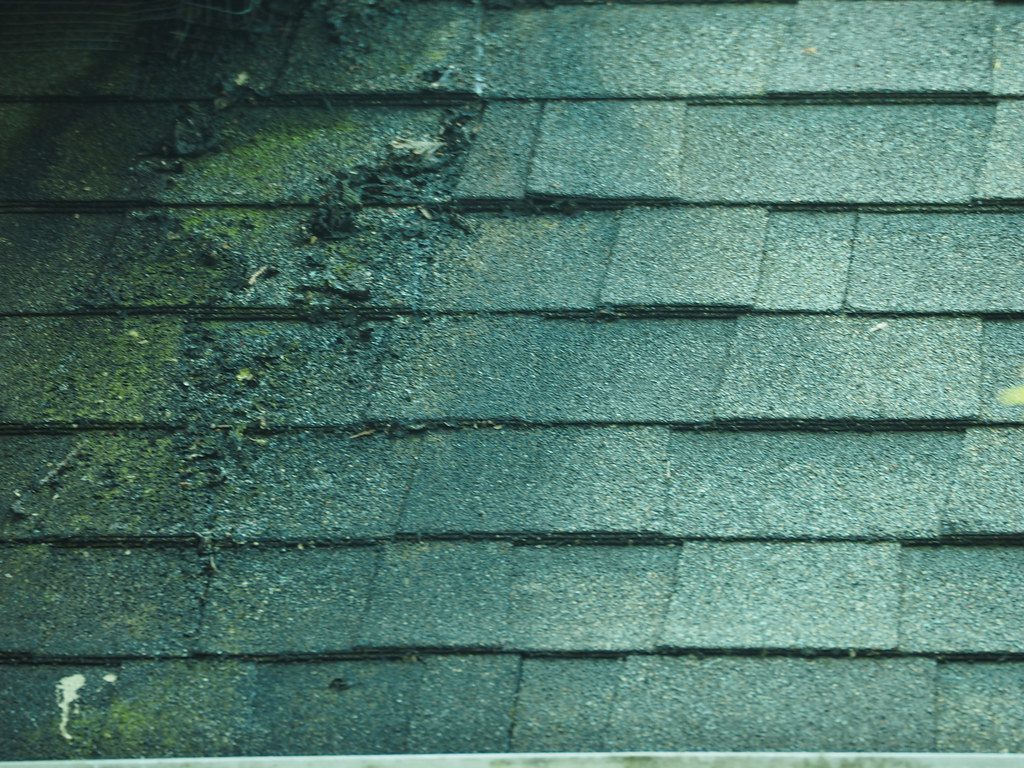
Albany routes, neighborhoods and nearby towns
The crew covers all of Albany, including North Albany across the Willamette in Benton County. There is no trip fee on the valley route.
- Monteith and Hackleman: Victorian houses in painted wood, where hand lifting and low pressure matter most.
- Downtown: older commercial blocks and shaded alleys, where damp collects at the base of the walls.
- North Albany: Benton County homes that the city annexed, now part of the same route.
- East and South Albany: moss mostly on shaded roofs and north-facing fences.
- Periwinkle, Knox Butte and Clover Ridge: other neighborhoods on the Linn County side.
Albany sits in the 97321 and 97322 ZIP codes, and the same rates carry over to Tangent and Millersburg. See roof cleaning, gutter cleaning, pressure washing, house washing and driveway cleaning for other Albany work. The Oregon moss guide and the Corvallis moss page cover the rest of the valley.
What Albany-area customers say
Two customers describe their results in their own words. See more on the reviews page.
My driveway and back patio had not been cleaned in years. Both were so bad they looked black. By the time Green Tree was done both looked almost brand new. I would highly recommend and will use them again in the future.Diane M.
Green Tree Services did an excellent job. Efficient. Professional. High quality. Reasonable price. Highly recommend.Lisa R.
Albany moss removal: questions with short answers
Short answers on method, price, regrowth and the limits of moss removal Albany Oregon crews work within.
Does GreenTree pressure wash moss off roofs in Albany?
No, shingles get hand lifting and a rinse under 500 PSI, because roofing manufacturers list pressure washing as a cause of granule loss. Bare concrete is different, since a slab tolerates pressure up to 4400 PSI without harm. The crew matches the method to the surface, not the other way around.
How much is moss removal on an Albany roof?
Composition shingle roof cleaning runs $300 to $600, a steep or two-story roof $400 to $700, and cedar shake $500 to $900, each figure written down first and then held. Plane count, pitch and moss depth decide where a roof lands. Booking three or more services together saves 10% to 25%.
Why does moss collect on north roof planes in Albany?
North planes get less direct sun, so they stay damp longer after valley rain. Roofing guidance notes moss grows fastest on north-facing slopes. Shade from trees or dormers does the same on any slope, which is why the crew surveys every plane before pricing.
Will moss removal damage my Albany shingles?
Not when the crew lifts it by hand and keeps the rinse under 500 PSI. A pressure washer is what strips the granules, so it stays off the roof. The crew photographs any lifted shingle or cracked flashing, then notes it in writing for a roofer to review before the next rain.
Can GreenTree clear moss from steps and patios in Albany?
Yes. Steps, walks and patios get hand lifting first, then a rinse, and moss removal on concrete walks and driveways runs $299 to $500. Wet moss on steps is a slip risk, so OSU Extension urges removal there. Pavers and patio joints take the gentlest setting, because the grit in the joints holds damp and soil.
Does moss removal work on Monteith and Hackleman homes?
Yes, with extra care: painted wood gets a soft wash under 500 PSI, while moss near paint comes off by hand. The crew replaces nothing, so repainting and trim work go to other trades. Old siding in both districts rewards a slow, patient pass.
Where does the moss go after removal in Albany?
It goes into bags and leaves with the crew. Rinse water soaks into soil. The City of Albany says water in a storm drain runs straight to streams, so the crew keeps moss and grit out of it and sweeps paved areas before any water flows.
Can moss removal share a visit with roof or gutter work?
Yes, and three or more services on one visit save 10% to 25%, with one crew and one written quote covering every surface. Moss lifted from a roof lands partly in the gutters, so roof moss and gutter work pair well in one visit.
Start with a written price
Phone or use the form. Send photos of the mossy surfaces if you can, and the written figure follows.
GreenTree Services · Corvallis, Oregon · (971) 280-2861 · Oregon Registry #2424331-91 · $2M general liability insured, workers compensation too · Open seven days a week, 7am to 7pm
Moss sources: OSU Extension and ARMA. Albany sources: City of Albany districts, the City of Albany stormwater page and the Oregon Encyclopedia. Wash guidance: Oregon DEQ.